Why I Started with Yoga and TCM—And How It Changed My Daily Life
Have you ever felt stuck in a cycle of stress, low energy, or just meh about your health? I was there too—until I tried combining yoga meditation with simple Traditional Chinese Medicine (TCM) principles. No quick fixes, no magic pills. Just small, mindful shifts that added up. This isn’t about being perfect; it’s about waking up to how your body really feels. Let me share how tuning in—really in—changed my relationship with health, one breath and balance at a time.
The Wake-Up Call: When "Fine" Wasn’t Enough
For years, I described my health as "fine." I got through the day, handled responsibilities, and managed family life without any major medical issues. But beneath that surface of normalcy was a growing sense of fatigue, mental fog, and emotional fragility. Mornings started with a deep reluctance to rise, afternoons brought a crash that no amount of coffee could fix, and nights were restless, filled with half-sleep and anxious thoughts. I wasn’t sick—but I wasn’t truly well, either.
This state of "functional fatigue" is more common than many realize. It’s the condition of moving through life on autopilot, ignoring subtle signals like irritability, digestive discomfort, or recurring tension in the shoulders. These aren’t just inconveniences—they’re early warnings. In the framework of holistic health, they indicate imbalances that, if left unattended, can evolve into chronic issues over time. The body speaks in whispers before it shouts, and for too long, I had turned down the volume.
The turning point came during a routine check-up. My doctor said my blood work was "within normal range," yet I knew something was off. That disconnect between clinical data and lived experience pushed me to look beyond conventional metrics. I began to wonder: What if health isn’t just the absence of disease, but the presence of vitality? What if true wellness requires listening—to the body’s rhythms, to emotional cues, to the quiet signals we often dismiss as "just stress"? That curiosity became the first step toward a new way of living.
Yoga for Beginners: More Than Just Stretching
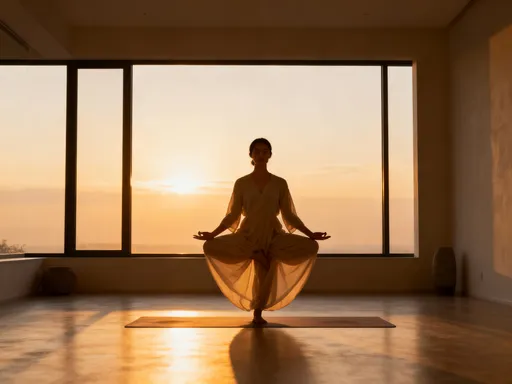
My first yoga class was intimidating. I walked in wearing borrowed leggings, unsure of what to expect. The room was filled with people in serene poses, breathing in unison, while I struggled to sit cross-legged without wobbling. I left feeling both humbled and intrigued. Over time, I learned that yoga is not about how deep you can stretch or how long you can hold a pose. It’s about presence. It’s about learning to inhabit your body fully, with awareness and kindness.
For beginners, yoga offers accessible tools to reconnect with the body. Simple postures like Child’s Pose or Mountain Pose are not just physical exercises—they are invitations to slow down. Child’s Pose, with its gentle forward fold and supported rest, activates the parasympathetic nervous system, signaling the body to relax. Mountain Pose, though it looks like standing still, teaches alignment, grounding, and breath awareness. These poses may seem basic, but their effects are profound when practiced with attention.
At the heart of yoga is breath. Breath awareness is the thread that weaves through every practice, linking physical sensation with mental state. When we focus on the breath—its rhythm, depth, and quality—we create a bridge between mind and body. This is not just poetic imagery; it’s physiological. Deep, diaphragmatic breathing reduces cortisol levels, lowers heart rate, and supports emotional regulation. In yoga, we learn to breathe not to perform, but to be.
One of the most freeing realizations was that flexibility is not the goal. The aim is not to twist into advanced postures but to cultivate awareness in whatever shape the body takes. Yoga becomes a mirror, reflecting how we relate to ourselves—our impatience, our self-criticism, our capacity for stillness. When practiced without judgment, it becomes a form of self-care that nurtures both body and spirit.
TCM Basics: Seeing Health Through an Ancient Lens
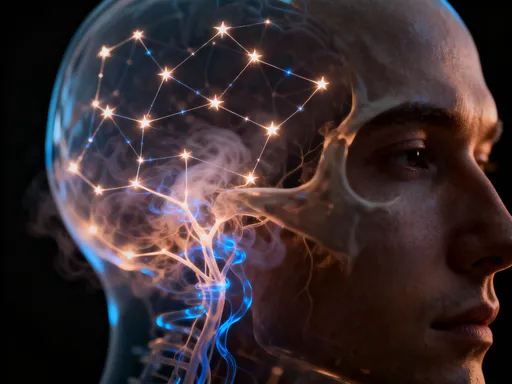
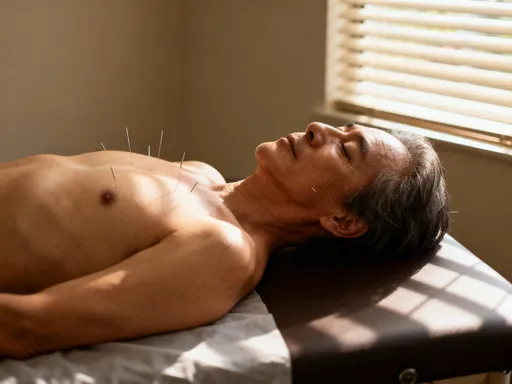
While yoga helped me reconnect with my body, Traditional Chinese Medicine (TCM) gave me a new language to understand what I was feeling. TCM is a holistic system with roots stretching back thousands of years. Unlike Western medicine, which often focuses on isolated symptoms, TCM looks at the whole person—body, mind, and environment. Its core concepts—Qi (vital energy), Yin-Yang balance, and the flow of energy through meridians—offer a different way of interpreting health and imbalance.
Qi is often described as the life force that animates the body. When Qi flows smoothly, we feel energized and clear. When it becomes stagnant or depleted, we experience fatigue, emotional unrest, or physical discomfort. TCM views illness not as an attack from outside, but as a sign that internal harmony has been disrupted. This perspective shifts the focus from fighting disease to restoring balance.
Yin and Yang represent complementary forces—Yin being cooling, nourishing, and inward; Yang being warming, active, and outward. Health depends on their dynamic equilibrium. For example, too much Yang—like overworking or excessive screen time—can lead to burnout. Too much Yin—such as oversleeping or inactivity—can result in lethargy. TCM encourages us to observe our daily patterns and adjust accordingly, supporting the body’s natural rhythms.
One helpful model is the organ-clock system, which maps energy flow through different organs at specific times of day. For instance, the liver is most active between 1 a.m. and 3 a.m.—a time when emotional processing occurs. Waking during these hours may signal Liver Qi stagnation, often linked to stress or frustration. This doesn’t mean you have liver disease, but rather that emotional energy is not flowing freely. TCM teaches us to see symptoms as messages, not emergencies.
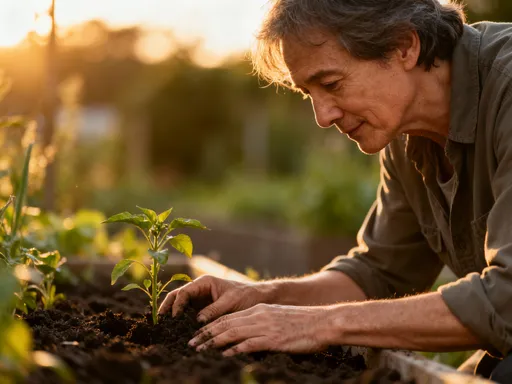
Perhaps the most powerful metaphor TCM offers is that of the body as a garden. Health isn’t about waiting for a crisis and then applying a remedy. It’s about daily tending—watering, weeding, and nurturing. Just as a garden thrives with consistent care, the body flourishes when we honor its rhythms with mindful choices in diet, rest, and movement.
Where Yoga Meets TCM: A Natural Synergy
When I began to study both yoga and TCM, I noticed how naturally they complement each other. Both systems emphasize prevention, self-awareness, and the interconnectedness of body and mind. Yoga, with its focus on breath and movement, supports the smooth flow of Qi. TCM, with its diagnostic wisdom, helps interpret what the body is communicating. Together, they form a holistic approach that is both practical and profound.
From a TCM perspective, many common emotional and physical issues stem from Qi stagnation—energy that is stuck, often due to stress, poor posture, or irregular routines. Yoga’s slow, intentional movements help release this stagnation. For example, gentle twists and forward folds are believed to support Liver Qi, which governs the smooth flow of energy and emotions. When I practiced these sequences during periods of stress, I noticed a tangible shift—less tension in the chest, a quieter mind, and a sense of emotional release.
Grounding poses like Standing Forward Bend or Seated Forward Fold are particularly supportive for the Kidneys in TCM. The Kidneys are seen as the root of vitality, storing essence and regulating water metabolism. In times of exhaustion or fear, these poses provide a sense of stability and renewal. Paired with deep breathing, they create a calming effect that aligns with TCM’s emphasis on nourishing Yin energy—especially important in our fast-paced, Yang-dominant lives.
Timing also matters. TCM recognizes that energy shifts throughout the day, and yoga can be adapted to these rhythms. Morning practices, such as Sun Salutations, align with the rising Yang energy of the day, helping to awaken the body and mind. These dynamic sequences boost circulation and mental clarity, setting a positive tone for the hours ahead. In contrast, evening routines benefit from restorative poses like Legs-Up-the-Wall or Supported Bridge, which encourage Yin renewal and prepare the body for deep rest.
Breathwork, or Pranayama, is another powerful point of connection. In yoga, practices like diaphragmatic breathing or alternate nostril breathing are used to balance the nervous system. In TCM, deep abdominal breathing is considered essential for strengthening Qi and calming the Shen—the spirit. Both traditions recognize that the breath is not just a physiological function but a regulator of emotional and energetic states. When we breathe deeply and slowly, we signal safety to the body, allowing it to shift from survival mode to restoration.
Simple Daily Shifts That Actually Stick
One of the biggest challenges in any wellness journey is consistency. I used to think that to make progress, I needed long sessions, perfect technique, or dramatic lifestyle changes. But what truly transformed my health were small, sustainable practices—micro-habits that fit into the rhythm of daily life. These weren’t grand gestures, but quiet moments of awareness that accumulated over time.
A 10-minute routine became my anchor. Each morning, I spent five minutes on mindful movement—gentle stretches, cat-cow flows, or a few rounds of Sun Salutations—and five minutes in seated breath awareness. This wasn’t about achieving a state of enlightenment; it was about showing up for myself, even briefly. Over weeks, this short practice became non-negotiable, like brushing my teeth. The consistency mattered more than the duration.
I also began pairing habits to make them easier to remember. Upon waking, I drank a cup of warm water—a simple TCM recommendation to stimulate digestion and hydrate the body after sleep. With that first sip, I took three deep breaths, grounding myself before the day began. This small ritual created a pause, a moment of intention before rushing into responsibilities.
Another shift was learning to observe my energy patterns. I noticed that around 3 p.m., I often felt a dip—mental fog, irritability, a craving for sugar. Instead of reaching for coffee or a snack, I started checking in: Had I been sitting too long? Was I dehydrated? Often, a two-minute stretch or a few rounds of deep breathing was enough to reset. These micro-practices didn’t take time away from my day; they enhanced my focus and mood.
The key was not intensity, but awareness. Each small action built my sensitivity to the body’s signals. Over time, I became better at recognizing when I needed rest, when I was pushing too hard, or when a change in routine could prevent a slump. This wasn’t about perfection—it was about responsiveness, about learning to care for myself in real time.
Missteps, Myths, and What I Learned the Hard Way
My journey wasn’t without missteps. In the beginning, I approached yoga like a workout—something to master, to improve at. I pushed into poses beyond my flexibility, ignored discomfort, and treated rest days as failures. It wasn’t until I experienced a mild strain in my lower back that I realized I was treating my body like a project to fix, rather than a partner to listen to. That injury became a turning point. It taught me that true wellness isn’t about pushing harder, but about cultivating sensitivity.
I also had to unlearn certain myths. One was the idea that yoga is only for the flexible. In reality, yoga meets you where you are. Another was the misconception that TCM is mystical or esoteric. While its concepts may seem unfamiliar at first, TCM is deeply observational. It’s based on patterns—how we sleep, eat, feel, and respond to our environment. It doesn’t rely on belief; it relies on noticing.
There was a time when I tried to self-diagnose based on TCM principles—reading about Qi deficiency and convinced I had it. I adjusted my diet, added herbs, and changed my routine without consulting a professional. When my energy didn’t improve, I felt discouraged. That experience reminded me that wellness practices are supportive, not replacements for medical care. TCM and yoga are powerful tools, but they work best alongside professional guidance, not in place of it.
The most important lesson was this: this journey isn’t about self-correction. It’s about self-knowledge. It’s not about fixing what’s wrong, but about deepening your relationship with your body. When we stop trying to achieve an ideal and start listening to what’s real, we open the door to lasting change.
Building a Sustainable Practice: From Awareness to Lifestyle
Over time, mindfulness stopped being something I "did" and became something I lived. It’s no longer a separate practice but a quiet background presence in daily life. I notice tension in my shoulders and pause to breathe. I feel the first signs of fatigue and choose rest without guilt. I make food choices not out of restriction, but because I sense what my body needs. This shift—from effort to embodiment—has been the most profound change.
Increased body awareness has rippled into other areas of my health. Sleep has improved because I recognize when I’m overstimulated and can adjust my evening routine. Digestion has become more regular as I eat mindfully and honor TCM principles like warm, cooked meals in the evening. Emotionally, I’m more resilient. When stress arises, I have tools to ground myself—breath, movement, stillness—rather than reacting impulsively.
Journaling has been a helpful companion on this path. I don’t write every day, but when I do, I note subtle changes: "Felt lighter after morning stretch," "Less anxious during traffic," "Slept through the night." These observations aren’t about tracking progress like a to-do list; they’re about honoring the journey. They remind me that wellness isn’t linear, but cyclical—some days are clearer than others, and that’s okay.
Patience has been essential. Health consciousness doesn’t bloom overnight. It grows slowly, like a plant that needs consistent light and water. There are days when old habits resurface, when I skip practice or feel disconnected. But now, instead of judging myself, I return with curiosity. Each return strengthens the habit, not through force, but through choice.
This way of living isn’t about dramatic overhauls or chasing perfection. It’s about the quiet moments—the breath before speaking, the pause before eating, the decision to rest. These small acts of awareness rewire our relationship with health, not as a destination, but as a daily practice. By blending yoga’s stillness with TCM’s wisdom, beginners can build a foundation that lasts. It’s not a cure-all, but a way of living that honors the body’s language. Start small. Stay curious. Let awareness be your compass.