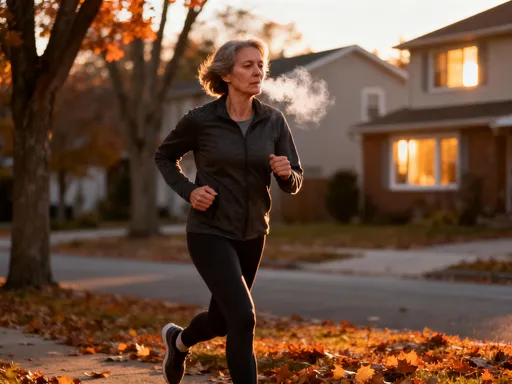
How I Finally Took Control: My Real Journey to Quit Smoking and Drink Smarter
Quitting smoking and cutting back on alcohol isn’t just about willpower—it’s a lifestyle shift that demands honesty, support, and small, consistent wins. I struggled for years, caught in cycles of stress and habit. But when my energy dropped and my health flagged, I knew something had to change. This is my real story of rebuilding habits, not overnight, but step by step. No magic fixes—just practical, proven strategies that actually work. It wasn’t about perfection; it was about progress. And in sharing this journey, I hope to offer clarity, encouragement, and a roadmap for anyone standing where I once stood—tired, uncertain, but ready for something better.
The Wake-Up Call: Recognizing the Need for Change
For over a decade, smoking and occasional evening drinks were woven into the rhythm of my days. A cigarette after lunch, one glass of wine to unwind—these weren’t indulgences; they were routines as automatic as brushing my teeth. I told myself I was in control. But control is an illusion when your body starts sending signals you can no longer ignore. Mine came in the form of persistent fatigue, shortness of breath during simple tasks like climbing stairs, and a growing sense of emotional flatness. I wasn’t depressed, but I wasn’t fully present either. My sleep was restless, and mornings began with a cough that lingered long after I got out of bed.
It wasn’t one dramatic event but a series of quiet realizations that built the case for change. I noticed I was the only one stepping outside during work breaks for a smoke while colleagues walked or chatted. I began skipping social events because I didn’t want to explain why I wasn’t drinking. The habits that once felt normal now felt isolating. Research from public health organizations consistently shows that many people delay quitting because the consequences of smoking and drinking often unfold slowly. Damage accumulates beneath the surface—reduced lung capacity, elevated blood pressure, disrupted liver function—until one day, the body can no longer compensate.
Another barrier to change is the way these behaviors are normalized in daily life. Smoking used to be ubiquitous in offices, restaurants, and homes. While public spaces have become smoke-free in many regions, the social acceptance of drinking remains strong. Celebrations, commiserations, and even routine weeknights often include alcohol. This normalization makes it easy to overlook personal patterns until health markers shift. For me, a routine check-up revealed slightly elevated liver enzymes and borderline high blood pressure—subtle but significant warnings. My doctor didn’t lecture me. She simply said, “These numbers don’t have to stay this way.” That moment of clarity, combined with a desire to feel better in my own skin, became the foundation of my decision to act.
Emotionally, admitting dependency was difficult. There’s an unspoken shame that can accompany habits perceived as avoidable. I felt I should have been stronger, more disciplined. But I’ve learned that dependency isn’t a moral failing—it’s a complex interplay of biology, habit, and environment. Recognizing this allowed me to replace guilt with responsibility. Instead of seeing change as punishment, I began to frame it as an act of care. This mental shift was the first real step toward lasting transformation.
Understanding the Impact: What Smoking and Excessive Drinking Really Do to Your Body
To make informed choices, it’s essential to understand what smoking and regular alcohol use do at a physiological level. Smoking introduces over 7,000 chemicals into the lungs, hundreds of which are toxic and at least 70 of which are known carcinogens. The most immediate effect is on lung function. The cilia—tiny hair-like structures that clear mucus and debris from the airways—become paralyzed and eventually destroyed. This leads to chronic coughing, increased risk of infections, and a progressive decline in oxygen exchange. Over time, this damage can result in chronic obstructive pulmonary disease (COPD), emphysema, or lung cancer. Even light or social smoking contributes to arterial stiffness and reduced circulation, increasing the risk of heart attack and stroke.
Alcohol, while often viewed more leniently, also takes a measurable toll. When consumed, it is metabolized primarily by the liver, which can process about one standard drink per hour. Exceeding this rate leads to fat accumulation, inflammation, and over time, scarring known as fibrosis or cirrhosis. According to medical consensus, regular heavy drinking is a leading cause of liver disease worldwide. But the impact extends beyond the liver. Alcohol disrupts neurotransmitters in the brain, affecting mood regulation. Many people report using alcohol to relax, yet studies show it can worsen anxiety and depression over time. It also interferes with sleep architecture, reducing REM sleep—the stage crucial for emotional processing and cognitive restoration. This explains why, despite feeling drowsy after drinking, many wake up unrested.
The combined effect of smoking and drinking is particularly concerning. Research indicates that individuals who both smoke and drink heavily face exponentially higher risks for cancers of the mouth, throat, esophagus, and liver. The substances amplify each other’s toxicity. Even moderate use carries risk. The World Health Organization and major health institutes emphasize that no level of tobacco use is safe, and while some studies suggest potential cardiovascular benefits from very light alcohol consumption, these are outweighed by increased cancer risks. For many, the idea of “moderation” becomes a slippery slope—justifying one more drink or one more cigarette “just this once,” which can quickly erode progress.
Perhaps the most sobering reality is the impact on life expectancy. Data from long-term population studies show that smokers live, on average, at least 10 years less than non-smokers. Heavy drinkers also face reduced longevity, with increased mortality from both chronic disease and accidents. These aren’t abstract statistics—they represent lost time with loved ones, missed milestones, and diminished quality of life in later years. Understanding these consequences didn’t scare me into change, but it did clarify the stakes. I wasn’t just giving up habits; I was investing in more years of vitality, presence, and engagement with the life I wanted to live.
Mindset Shift: From Guilt to Empowerment in Recovery
One of the most transformative aspects of my journey was changing how I thought about the process. Early attempts to quit failed because I approached them from a place of self-criticism. I would quit for a few days, slip up, and immediately label myself a failure. This cycle of restriction, relapse, and shame only reinforced the idea that I lacked willpower. What I’ve learned is that sustainable change begins not with discipline, but with self-compassion. According to psychological research, individuals who practice self-kindness during recovery are more likely to maintain long-term success. Treating a setback as a learning opportunity, rather than a moral failing, creates space for growth.
I began to reframe my journey as an act of self-care rather than deprivation. Instead of thinking, “I can’t smoke,” I started saying, “I choose not to, because I value my health.” This subtle shift in language reflected a deeper change in identity. I wasn’t someone trying to quit; I was someone who had decided to live differently. Behavioral science shows that identity-based habits—those aligned with how we see ourselves—are more enduring than goal-based ones. When you believe you are a healthy person, choices that support that identity become natural, not forced.
Motivation played a crucial role. Early on, my reasons for changing were external: lower blood pressure, a cleaner medical report, approval from my doctor. But lasting change came when my motivation turned internal. I began to notice how much better I felt—more energy, clearer skin, improved focus. I enjoyed the taste of food more, and my sense of smell returned. These personal, tangible benefits became more powerful than any external pressure. Experts agree that intrinsic motivation—doing something because it aligns with your values and well-being—is the strongest predictor of long-term success in behavior change.
Another key insight was recognizing that dependency is not a personal weakness. It’s a response to stress, habit, and sometimes genetics. Approaching it with curiosity rather than judgment allowed me to explore the root causes of my habits. Was I smoking out of boredom? Drinking to manage social anxiety? Once I identified the triggers, I could address them with better tools. This compassionate, informed approach replaced shame with agency. I wasn’t broken; I was learning. And that mindset made all the difference.
Practical Steps to Quit Smoking: What Actually Works
Knowledge alone isn’t enough—action is required. When I decided to quit smoking, I knew I needed a plan. Cold turkey had failed me before, so this time I focused on preparation. The first step was identifying my triggers: morning coffee, work stress, phone calls, and social settings. Once I knew when and why I reached for a cigarette, I could create alternatives. For morning cravings, I started drinking herbal tea and doing five minutes of stretching. During work breaks, I took walks instead of smoking with coworkers. These small substitutions disrupted the automatic nature of the habit.
Behavioral strategies were supported by structured tools. I downloaded a quit-smoking app that tracked my progress, calculated money saved, and offered encouragement. While I didn’t use it every day, seeing the growing number of smoke-free days was motivating. I also joined an online support group where people shared tips and setbacks without judgment. Knowing I wasn’t alone made the journey feel more manageable. Research shows that social support significantly increases quit rates, whether through in-person groups, telehealth counseling, or digital communities.
For physical dependence, I considered nicotine replacement therapy (NRT). While I didn’t use prescription medications, I tried nicotine lozenges for the first two weeks. These helped manage withdrawal symptoms like irritability and difficulty concentrating, making it easier to focus on behavioral changes. NRT, including patches, gum, and lozenges, is widely supported by medical authorities as a safe and effective aid when used as directed. The goal isn’t to replace one addiction with another, but to gradually reduce dependence while building new routines.
Setbacks were inevitable. Six weeks in, a stressful week at work led to a single cigarette. Instead of giving up, I analyzed what happened: I was overwhelmed, hadn’t eaten lunch, and was in a high-pressure meeting. The next day, I prepared better—packed healthy snacks, scheduled short breaks, and used a breathing exercise when stress rose. Relapse is common, but it doesn’t mean failure. The key is to respond with planning, not punishment. Each slip taught me more about my triggers and resilience. Over time, the cravings faded, not because I resisted them forever, but because I replaced the habit with healthier patterns.
Rethinking Alcohol: From Habitual Drinking to Mindful Consumption
Reducing alcohol was different from quitting smoking. Abstinence was clear-cut, but moderation required more nuance. My first step was defining what “moderate” meant for me. Guidelines from health organizations suggest up to one drink per day for women, but I realized even that could trigger a pattern of nightly consumption. So I set a personal limit: no more than three drinks per week, and never on consecutive days. This gave me flexibility while preventing automatic daily use.
I also examined the role alcohol played in my life. Was I drinking because I was thirsty, or because I was tired? Often, it was the latter. I started replacing evening wine with non-alcoholic alternatives—sparkling water with lime, herbal tea, or warm milk with cinnamon. These satisfied the ritual of unwinding without the physical effects of alcohol. I also became mindful of social situations. Instead of ordering a drink immediately, I’d ask for sparkling water first and decide later. This small pause often eliminated the urge altogether.
Tracking intake was another useful tool. I used a simple journal to log drinks, mood, and sleep quality. Within weeks, I noticed a pattern: on drinking nights, I slept less deeply and woke up feeling sluggish. This feedback loop reinforced my commitment. I also found that boredom was a major trigger. In the past, I’d pour a glass “just because it was 6 p.m.” Now, I scheduled evening activities—reading, knitting, or calling a friend—to create structure that didn’t revolve around alcohol.
Over time, I developed a new relationship with social events. I learned to say, “No, thank you” without explanation. Most people respected my choice, and some even asked how I was doing it. This opened conversations about wellness, and I found support in unexpected places. Mindful consumption isn’t about perfection; it’s about awareness and intention. By understanding my patterns and creating alternatives, I regained control—one thoughtful choice at a time.
Building a Supportive Environment for Lasting Change
Our environment shapes behavior more than we realize. I began by making small changes at home: removing ashtrays, storing wine glasses in a high cabinet, and keeping healthy snacks visible. These cues reduced temptation and made desired behaviors easier. At work, I informed a trusted colleague of my goals. She didn’t nag or praise—she simply respected my choices. This quiet support made a big difference.
Communicating with family required honesty and patience. At first, my partner worried I was being too restrictive. We talked about my health concerns and goals, emphasizing that this wasn’t about judgment but self-care. Over time, he began joining me in alcohol-free evenings, and we discovered new ways to relax together—walking, cooking, or playing board games. Relationships thrive on shared experiences, not shared habits. When we focus on connection rather than consumption, the quality of time together improves.
I also evaluated my social circle. While I didn’t cut ties, I became selective about events that centered on drinking. I still attended gatherings, but I arrived with a plan: a non-alcoholic drink in hand, an exit strategy if I felt pressured, and a focus on conversation rather than the bar. Creating a supportive schedule was equally important. I prioritized sleep, scheduled regular meals, and built in time for relaxation. A structured day leaves less room for impulsive choices.
Professional guidance was invaluable. I consulted my doctor before starting, and she monitored my progress through routine check-ups. She also referred me to a counselor who specialized in habit change. Talking to a neutral professional helped me navigate emotional triggers without judgment. Seeking help isn’t a sign of weakness—it’s a commitment to doing it right. Whether through medical advice, therapy, or support groups, having a team increases the likelihood of success.
Sustaining Progress: Making Health a Lifestyle, Not a Temporary Fix
Maintaining change requires ongoing attention. I’ve learned to celebrate non-scale victories: breathing deeply during a walk, waking up without a headache, feeling present in conversations. These small wins reinforce the benefits of my choices. I also plan for challenges. Travel, holidays, and stressful periods require extra preparation—packing alternatives, setting intentions, and reminding myself of my “why.” Flexibility is key; I don’t expect perfection, but I do expect commitment.
Integrating other healthy habits has deepened the impact. Regular movement—whether walking, yoga, or dancing—helps manage stress and improves mood. Balanced nutrition fuels energy and reduces cravings. Mindfulness practices, like journaling or meditation, increase self-awareness and emotional resilience. These aren’t add-ons; they’re part of the foundation. When one area strengthens, the others follow.
Relapse prevention isn’t about avoiding triggers—it’s about responding to them wisely. I now recognize early warning signs: irritability, skipping meals, isolating socially. When I notice them, I take action—reach out, rest, or reassess. This proactive approach keeps me grounded. Rehabilitation isn’t a finish line; it’s a continuous journey of self-respect and well-being. Every choice, no matter how small, reflects a commitment to living fully and healthily.
True change doesn’t come from drastic resolutions but from daily choices aligned with your health and values. Quitting smoking and drinking less isn’t just about avoiding harm—it’s about reclaiming energy, clarity, and control. With the right mindset, tools, and support, this transformation is not only possible but deeply rewarding. Always consult a healthcare professional to tailor strategies safely to your needs.