I kept saying 'I’ll start eating better tomorrow' — until my grocery app started coaching me like a real friend
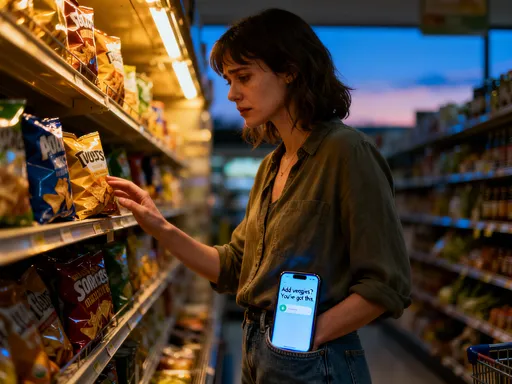
How many times have you stood in the grocery store aisle, tired after a long day, staring at a wall of snacks while your cart holds nothing but frozen meals and bread? You tell yourself, "I’ll eat better tomorrow." But tomorrow comes, and the cycle repeats. I’ve been there—exhausted, overwhelmed, and feeling like I’ve failed myself again. The truth is, it’s not about willpower. It’s about the systems we rely on—or don’t. What if the tools already in your pocket could gently guide you toward healthier choices, not with judgment, but with understanding? What if your grocery app didn’t just track your list, but actually cared about your well-being?
The Breaking Point: When Good Intentions Aren’t Enough
Let’s be honest—most of us want to eat better. We know vegetables are good for us. We’ve read the articles, saved the recipes, maybe even bought the blender. But life happens. The kids need dinner in ten minutes. Your meeting ran late. You’re standing in front of the fridge at 8 p.m., debating between ordering pizza or thawing something frozen. And just like that, another “healthy start” gets pushed to tomorrow.
I used to feel guilty every time I gave in. Like I was weak. Like I lacked discipline. But over time, I realized something important: it wasn’t me failing the system—it was the system failing me. Expecting myself to make perfect choices after a full day of decisions, emotional labor, and mental exhaustion? That wasn’t realistic. And I wasn’t alone. So many women I talk to—moms, partners, caregivers—feel the same. We’re not lazy. We’re just tired. And willpower? It’s a finite resource, especially when you’ve spent the day managing everyone else’s needs but your own.
What I needed wasn’t another diet plan or a motivational quote. I needed support. Something that didn’t add to my to-do list but actually lightened it. Something that understood my rhythm, my limits, and my real-life chaos. That’s when I started paying attention to the quiet ways technology was already woven into my routine—and how it could do more than just remind me to buy milk.
Meet Your Digital Sidekick: How Local Apps Know You Better Than You Think
At first, I thought of my grocery app as just a digital shopping list. Type in “milk, eggs, bread,” check them off when I got home. But then I noticed something strange. One Sunday morning, as I opened the app, a message popped up: “You usually buy oatmeal on Sundays—want to add blueberries this week? They’re in season and on sale.” I paused. That was… oddly thoughtful. And accurate. I *did* buy oatmeal every Sunday. And I *did* love blueberries. But I never thought to pair them. The suggestion felt less like an ad and more like a friend who knew my habits.
That’s when it hit me: these apps aren’t just tracking data. They’re learning. They know when I shop (Sundays after church), what I buy (lots of produce, but also comfort snacks on stressful weeks), and even how often I refill my vitamins. And instead of using that information to bombard me with ads, the best ones use it to nudge me—gently—toward better choices.
One week, after I skipped my usual veggie purchase, the app sent a simple message: “Missed your usual greens this week. Want to add spinach and bell peppers to your next order? Try this 15-minute stir-fry recipe.” It wasn’t shaming. It wasn’t pushy. It was like a kind voice saying, “Hey, I noticed. You’ve got this.” And because the suggestion came at the right time—with a real recipe and ingredients already in my cart—I actually followed through.
These aren’t sci-fi tools. They’re local life service apps—grocery delivery, meal planners, pharmacy assistants—that are evolving from simple utilities into supportive partners. They don’t replace willpower. They make it easier to access. And for someone like me, who’s juggling a million things, that small difference is everything.
From Chaos to Calm: Building a Morning Routine That Sticks
Mornings used to be my nemesis. Alarm goes off. Kids are yelling. Someone forgot their homework. I’m scrambling to pack lunches, answer emails, and find clean socks—all while skipping breakfast. By 9 a.m., I’d already burned through half my energy. And the idea of “eating well” felt like a luxury I couldn’t afford.
Then I tried something different. I linked my grocery app with a local meal prep service that offers healthy, ready-to-eat breakfasts. I set it up once—choosing oat bowls with nuts and fruit, veggie egg muffins, smoothie packs—and scheduled weekly deliveries. But here’s the smart part: I connected it to my smart alarm. Now, every morning, my phone checks the weather and traffic. If it’s raining or there’s a delay, my alarm goes off 10 minutes earlier. And the app sends a notification: “Breakfast is ready in the fridge. Warm it up in 2 minutes.”
Suddenly, I wasn’t making decisions. I wasn’t debating what to eat. The choice had already been made—by past me, when I was calm and intentional. And present me? I just had to heat and eat. That small shift changed everything. I started the day nourished. I had more patience. I felt… capable.
The beauty of this system isn’t that it’s perfect. It’s that it’s sustainable. It doesn’t ask me to be superwoman. It just helps me show up as myself—with a little more energy and a lot less stress. Over time, those small wins built confidence. I wasn’t just eating better. I was *feeling* better. And that made me want to keep going.
Family Health, Simplified: When Tech Supports Everyone at Home
One of the hardest parts of caring for a family is the mental load. It’s not just the cooking or cleaning—it’s remembering who’s allergic to what, who needs medicine, who hasn’t had a vegetable in three days. I used to keep a notebook on the fridge. But things slipped through. My youngest had stomach issues for months, and I couldn’t figure out why. Then one day, my grocery app flagged something.
I’d bought a new brand of granola bars—on sale, convenient, “healthy-looking.” But the app, which I’d set up with my family’s dietary preferences, sent me a note: “This product contains chicory root, which may cause digestive discomfort for sensitive eaters. Want to try a different brand?” I blinked. Chicory root? I’d never heard of it. But I looked it up, and sure enough, it’s a common filler that can cause bloating and gas—especially in kids.
I switched brands, and within days, my son’s stomach issues improved. It wasn’t magic. It was data—used wisely. That moment changed how I saw technology. It wasn’t just helping me eat better. It was helping me care for my family in a deeper, more informed way.
Now, our shared shopping list has filters: no nuts, low sugar, high fiber. The app reminds me when it’s time to refill my husband’s blood pressure medication through our local pharmacy partner. It suggests balanced meals based on what’s in our pantry. And when I’m overwhelmed, it offers simple, kid-friendly recipes that use ingredients we already have. It’s not replacing my role as a mom. It’s supporting it. And that makes all the difference.
The Habit Loop: How Gentle Nudges Rewire Daily Choices
Behavioral science tells us that habits are formed through a loop: cue, routine, reward. We see a cue (like walking into the kitchen), follow a routine (grabbing a snack), and get a reward (a moment of comfort). The problem? So many of our cues lead to unhealthy routines. But what if technology could insert a better routine into that loop?
That’s exactly what’s happening. After I complete a grocery order, my app doesn’t just say “thank you.” It sends a quick message: “You bought tomatoes, basil, and mozzarella. Try this 10-minute caprese salad with balsamic glaze!” It’s not a command. It’s a suggestion—timely, relevant, and easy to act on. And because it comes right after I’ve made the purchase, when the ingredients are fresh in my mind (and my fridge), I’m more likely to try it.
Another example: on days when I skip the produce section, the app might say, “Your cart’s light on veggies today. Add a pre-chopped stir-fry mix? It’s ready in 12 minutes.” It’s not shaming me. It’s offering a bridge from intention to action. And over time, those bridges become paths. I start reaching for the stir-fry mix without thinking. I start craving the salad. The habit shifts—not because I forced it, but because the environment made the better choice easier.
These nudges work because they’re not generic. They’re based on *my* behavior, *my* preferences, *my* schedule. They feel personal. And that’s what makes them powerful. It’s like having a coach who watches your game and gives real-time feedback—not criticism, but guidance. And the more I follow through, the more the app learns, and the better the suggestions become.
Privacy Without the Paranoia: Trusting Tech With Your Life
Now, I know what you might be thinking: “Wait, isn’t this kind of creepy? Isn’t it weird that an app knows when I buy oatmeal or forget my veggies?” I asked myself the same thing. And honestly, it’s a valid concern. These apps *do* collect a lot of data. But here’s the thing: the best ones aren’t trying to sell your information. They’re trying to earn your trust.
Think of it like your local pharmacist. She remembers your name. She knows you’re on a blood pressure medication. She suggests alternatives when there’s a shortage. You don’t feel violated—you feel cared for. That’s the model these apps are learning from. They’re not surveillance tools. They’re support tools. And the most trustworthy ones let you control what’s shared, how it’s used, and with whom.
I took a few simple steps to protect my privacy. I reviewed the app’s settings, turned off location tracking when not in use, and chose to limit data sharing with third parties. I also picked services partnered with local businesses—like my neighborhood grocery store or pharmacy—because they have a reputation to uphold. When you’re dealing with real communities, there’s more accountability.
The key is balance. I don’t need to give up privacy to get support. I just need to choose tools that respect both. And when I do, the benefits far outweigh the risks. Because now, instead of feeling watched, I feel seen—in a good way. Like someone’s finally paying attention to what I really need.
Beyond Convenience: Tech as a Catalyst for Lasting Change
Here’s what I’ve learned: technology isn’t the enemy of a healthy life. It’s a bridge to it. The future of wellness isn’t about extreme diets, punishing workouts, or perfect discipline. It’s about small, sustainable shifts—supported by tools that understand real life.
When my grocery app reminds me to add berries to my oatmeal, it’s not just selling me fruit. It’s helping me build a habit. When it flags an ingredient that might upset my child’s stomach, it’s not just filtering data. It’s protecting my family. When it suggests a quick recipe after I shop, it’s not just filling my screen. It’s closing the gap between what I *want* to do and what I *actually* do.
And the more I let these small supports in, the more mental space I gain. I’m not obsessing over every choice. I’m not carrying the full weight of every decision. And that space? That’s where growth happens. That’s where I find time to breathe, to reflect, to be present with my family. That’s where I start to feel like myself again—not perfect, but progressing.
This isn’t about replacing human care with machines. It’s about using smart tools to amplify our ability to care—for ourselves and for others. It’s about creating a life that feels calmer, more intentional, and more joyful. And if that means my phone sometimes sounds like a thoughtful friend? I’ll take it. Because finally, “I’ll eat better tomorrow” doesn’t have to be a promise I keep breaking. It can be a promise I finally keep—every day, one small nudge at a time.