How My Hobbies Quietly Transformed My Health — A Real Check-In
You don’t need a gym membership or a strict diet to boost your health — sometimes, it’s the little things that matter most. I started paying attention to how my everyday hobbies were affecting my body and mind, and what I found surprised me. From gardening to playing music, these activities did more than just pass the time — they became a quiet form of self-care. This is my honest health check-in on how something as simple as a hobby can shift your well-being in powerful ways. What began as a way to unwind gradually revealed itself as a cornerstone of my physical and emotional resilience. Over time, I noticed deeper sleep, calmer nerves, and a renewed sense of purpose — not from medical interventions or drastic lifestyle changes, but from moments of joy woven into ordinary days.
The Hidden Health Power of Everyday Hobbies
Hobbies are often dismissed as mere pastimes, enjoyable but inconsequential. Yet mounting evidence suggests they play a far more significant role in health than commonly recognized. Engaging in activities purely for pleasure activates the parasympathetic nervous system, the body’s natural counterbalance to stress. When we garden, knit, paint, or play an instrument, our heart rate slows, breathing deepens, and cortisol levels — the hormone linked to chronic stress — begin to decline. These shifts may seem subtle, but their cumulative effect is profound. Research from the American Journal of Public Health indicates that individuals who regularly participate in leisure activities report lower levels of anxiety, depression, and perceived stress over time.
Beyond emotional regulation, hobbies support what medical professionals increasingly refer to as lifestyle medicine — a holistic approach that emphasizes daily habits as foundational to long-term wellness. Unlike rigid exercise regimens or restrictive diets, hobbies offer sustainable engagement. They don’t require willpower; they thrive on intrinsic motivation. A woman who spends an hour each evening tending to her indoor plants isn’t logging gym minutes, but she’s standing, bending, reaching, and breathing deeply — all forms of low-intensity movement that support joint health and circulation. Meanwhile, the rhythmic repetition of watering, pruning, and observing growth fosters mindfulness, a practice widely endorsed for its mental health benefits.
What makes hobbies uniquely effective is their consistency. Because they are driven by enjoyment rather than obligation, people are more likely to stick with them. This regularity allows small physiological improvements to accumulate. For example, someone who plays the piano several times a week strengthens fine motor skills, enhances hand-eye coordination, and stimulates neural pathways associated with memory and focus. Over months and years, these micro-benefits translate into measurable gains in cognitive function and emotional stability. The power of hobbies lies not in intensity, but in repetition — the quiet, persistent rhythm of doing what you love.
Why We Overlook Hobbies in Health Conversations
Despite their clear benefits, hobbies rarely appear in mainstream discussions about health. Instead, the focus remains on quantifiable metrics: step counts, calorie intake, cholesterol levels, and workout duration. These indicators matter, but they represent only one dimension of well-being. The emotional and psychological dimensions — equally vital — are often neglected. Society tends to value productivity over presence, equating health with discipline and effort. As a result, activities done purely for enjoyment are frequently labeled as indulgent, frivolous, or unproductive.
This bias is especially pronounced among women in their 30s to 50s, who often juggle caregiving, household management, and professional responsibilities. For many, the idea of setting aside time for a personal hobby can feel like a luxury they don’t deserve. The internal dialogue might go: “I should be cleaning,” “I should be working,” or “Someone else needs me more.” Over time, this mindset erodes self-worth and disconnects individuals from their own needs. Yet, paradoxically, the very act of nurturing oneself through leisure strengthens one’s capacity to care for others. A mother who spends 20 minutes sketching each morning returns to her family with greater patience and clarity — not despite her hobby, but because of it.
The imbalance between productivity and rest has real health consequences. Chronic busyness disrupts sleep, elevates stress hormones, and diminishes immune function. When leisure is treated as expendable, the body pays the price. Studies show that adults who do not engage in regular enjoyable activities are at higher risk for burnout, cardiovascular issues, and mood disorders. Yet reframing hobbies as essential, not optional, requires a cultural shift. It means recognizing that emotional fulfillment is not a reward for productivity — it is a prerequisite for sustained health. When we prioritize joy, we aren’t neglecting responsibility; we are investing in the energy and resilience needed to meet life’s demands.
How Hobbies Serve as a Personal Health Mirror
One of the most unexpected insights I gained from my hobbies was their role as a barometer for my overall well-being. When I felt energized and present, my knitting stitches were even, my garden flourished, and I looked forward to playing songs on the piano. But during periods of fatigue or emotional strain, these same activities felt difficult or unappealing. My hands trembled slightly while embroidering, my plants wilted from neglect, and I avoided the piano altogether. These weren’t signs of failure — they were signals. Hobbies, because they are tied to pleasure, make it easier to notice subtle shifts in energy, mood, and focus.
This reflective quality sets hobbies apart from other daily tasks. Chores must be completed regardless of how we feel, but hobbies require a certain level of engagement to be satisfying. When that engagement wanes, it often points to deeper imbalances. For instance, if someone who once loved baking suddenly finds the process overwhelming, it may indicate mental exhaustion or emotional depletion. Similarly, a person who used to walk daily for birdwatching but now avoids it might be experiencing early signs of depression or anxiety. These changes are often more noticeable in hobbies than in routine activities because hobbies depend on internal motivation.
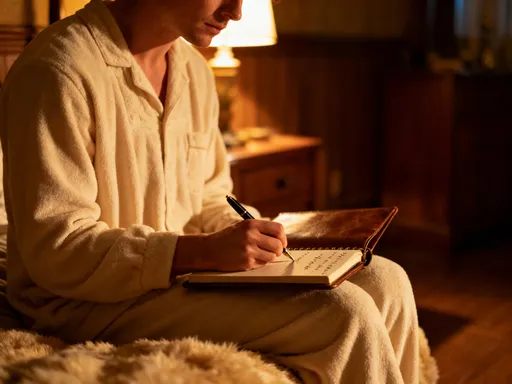
Tracking one’s relationship with leisure can therefore serve as an informal but powerful form of self-assessment. Journaling about how a hobby feels from week to week — whether it brings relief or resistance — can reveal patterns related to stress, sleep quality, or hormonal changes. A woman navigating perimenopause, for example, might observe that her ability to concentrate on a puzzle varies with her energy levels, offering insight into her body’s rhythms. By paying attention to these cues, individuals can make proactive adjustments — resting when needed, seeking support, or modifying activities to better suit their current state. In this way, hobbies become not just a source of joy, but a diagnostic tool for holistic health.
Physical Benefits: More Movement Without the Grind
One of the most underrated aspects of hobbies is their contribution to physical activity. Many people associate fitness with structured workouts — running, weightlifting, or aerobics — but daily movement comes in many forms. Activities like gardening, dancing while cooking, or assembling model kits involve bending, stretching, balancing, and fine motor control. These movements, though gentle, promote blood flow, joint flexibility, and muscular endurance. Unlike high-intensity exercise, which can feel daunting or unsustainable for some, hobby-based movement is often unconscious and enjoyable, making it more likely to be maintained over time.
Consider the physical demands of quilting. Sitting for long periods may seem sedentary, but the act of cutting fabric, pinning pieces, and hand-stitching engages the shoulders, arms, wrists, and fingers. The repetitive motion improves dexterity and circulation, while the focused posture encourages spinal awareness. Similarly, woodworking requires standing, sawing, sanding, and lifting — all of which build strength and coordination. Even something as simple as caring for houseplants involves squatting, reaching, and carrying watering cans, contributing to functional fitness that supports independence and mobility in later years.
Over time, these micro-movements yield tangible benefits. Regular engagement in hands-on hobbies has been linked to improved balance, reduced risk of falls in older adults, and better sleep quality. The physical exertion, though mild, helps regulate the body’s circadian rhythm by promoting daytime alertness and evening fatigue. Additionally, the sense of accomplishment from completing a craft project or harvesting homegrown vegetables reinforces positive behaviors, creating a feedback loop that encourages continued activity. For women managing weight, hormonal shifts, or chronic conditions like arthritis, hobbies offer a compassionate alternative to conventional exercise — one that honors the body’s limits while still supporting its strength.
Mental and Emotional Gains: Joy as a Wellness Strategy
The emotional rewards of hobbies are perhaps their most transformative aspect. In a world saturated with digital noise and constant demands, hobbies provide a rare space for presence and creativity. When fully absorbed in an activity — whether arranging flowers, writing poetry, or restoring old furniture — the mind enters a state known as flow. In this state, self-consciousness fades, time distorts, and attention narrows to the task at hand. Psychologists have long recognized flow as a powerful antidote to rumination, anxiety, and mental fatigue.
Neurologically, engaging in enjoyable activities triggers the release of dopamine, serotonin, and endorphins — brain chemicals associated with pleasure, motivation, and pain relief. These neurochemical shifts are not fleeting; with regular practice, they help rewire the brain’s response to stress. Instead of defaulting to fight-or-flight reactions during challenging moments, individuals who cultivate hobbies develop a greater capacity for calm and problem-solving. This emotional resilience is especially valuable during life transitions such as children leaving home, career changes, or aging parents.
Moreover, hobbies foster a sense of identity beyond roles and responsibilities. For many women, self-worth becomes entangled with being a caregiver, employee, or homemaker. A hobby reminds them that they are also an artist, a gardener, a musician — someone with unique interests and talents. This reconnection to personal identity buffers against feelings of invisibility or loss of purpose. Studies have shown that adults who maintain creative pursuits report higher life satisfaction and lower rates of cognitive decline. Joy, it turns out, is not a distraction from health — it is a vital component of it.
Choosing Hobbies That Support, Not Drain, Your Health
Not all hobbies are equally beneficial, and the key to long-term success lies in alignment. A hobby should replenish energy, not deplete it. Some activities, while initially exciting, may become sources of pressure if they involve deadlines, competition, or high expectations. For example, turning a beloved craft into a side business might introduce financial stress or performance anxiety, undermining its restorative purpose. Similarly, choosing a physically demanding hobby without considering current fitness levels can lead to injury or discouragement.
To select a sustainable hobby, it helps to reflect on personal values, energy patterns, and physical capabilities. Questions to consider include: Does this activity leave me feeling refreshed or drained? Can I engage in it without judgment or pressure to excel? Does it fit naturally into my current routine? A woman recovering from surgery might find solace in watercolor painting rather than hiking, while someone managing anxiety may benefit more from rhythmic activities like knitting or pottery than from fast-paced games.
It’s also important to remain flexible. Interests evolve, and a hobby that once brought joy may no longer serve its purpose. There’s no obligation to stick with an activity simply because it was once meaningful. Letting go of a hobby without guilt is an act of self-respect. The goal is not to accumulate skills or achievements, but to nurture well-being. By approaching hobbies with curiosity rather than obligation, individuals create space for authentic enjoyment — the kind that naturally supports mental and physical health.
Building a Balanced Hobby Routine: Small Steps, Big Shifts
Integrating hobbies into daily life doesn’t require dramatic changes. The most effective approach is gradual and intentional. Starting with just 10 to 15 minutes a day can make a noticeable difference. The key is consistency, not duration. A woman who reads one chapter of a novel each night before bed may find her sleep improves. Another who spends 10 minutes arranging fresh flowers each week might notice a lift in mood. These small investments compound over time, building resilience and joy in ways that feel effortless.
Tracking how you feel before and after engaging in a hobby can provide motivation and insight. Keeping a simple journal entry — noting energy levels, emotional state, and focus — helps identify which activities are truly restorative. Over time, patterns emerge. Perhaps painting brings calm on stressful days, while listening to music during chores enhances productivity. Using this feedback, individuals can refine their routines to maximize benefits.
It’s also helpful to remove common barriers. Designating a small space for creativity — a corner with art supplies, a shelf with books, a windowsill for herbs — makes it easier to begin. Scheduling hobby time, even informally, increases the likelihood of follow-through. And involving family members, when appropriate, can turn solitary activities into shared moments of connection — baking with children, gardening with a spouse, or learning an instrument together.
Most importantly, the intention behind the hobby matters. If the goal is perfection or productivity, the activity loses its healing potential. But when the focus is on presence, curiosity, and self-kindness, even the simplest pastime becomes an act of self-care. Health is not only about preventing illness or managing symptoms — it is about cultivating a life that feels meaningful and nourishing. Hobbies, in their quiet way, help us reclaim that balance.
True health extends beyond numbers on a scale or results from a blood test. It includes the ability to feel joy, to be curious, and to express oneself freely. My journey with hobbies taught me that well-being isn’t something to chase through deprivation or discipline alone — it can also be found in the soft light of a morning spent journaling, the scent of soil after planting seeds, or the resonance of a song played just for the love of it. These moments, though small, are powerful. They remind us that we are not merely bodies to be optimized, but whole beings deserving of pleasure and peace. By honoring our passions, we listen to what our bodies and minds have been trying to say all along — that rest is not laziness, joy is not frivolous, and taking time for ourselves is not selfish. It is, in fact, one of the most profound acts of care we can offer.