From Guesswork to Clarity: How Tracking My Spending Revealed the Rhythm of Real Life
Ever found yourself wondering where your money went—again? I did. Every season felt like a financial surprise. Then I started quietly tracking my spending, not to restrict myself, but to understand. What I discovered wasn’t just numbers—it was patterns, emotions, even family rhythms. This simple act didn’t just change my budget; it changed how I live, plan, and breathe easier through the year. It’s not about being perfect with money. It’s about being present with your life. And honestly, that shift made all the difference.
The Seasonal Surprise: When Budgets Don’t Match Real Life
Remember that feeling in January—fresh start, clean slate, big plans? I used to set a budget with such hope, only to feel defeated by March. By the time spring rolled around, I’d already broken my promises to myself. I told myself I’d eat out less, but somehow, there I was, grabbing coffee and a pastry three times a week. I swore I’d save for summer vacation, but then the kids needed new shoes, the furnace needed servicing, and suddenly, savings were gone. It wasn’t that I was careless. I was just out of rhythm.
Life doesn’t follow a straight line, does it? It flows in seasons—literally and emotionally. In winter, we hunker down. In spring, we clean and renew. Summer is for moving, gathering, traveling. And fall? That’s when routines return, school kicks in, and the pace picks up. But my budget didn’t reflect any of that. It was a flat line in a world full of waves. I kept trying to force my life into a financial box that didn’t fit. No wonder I kept failing.
One winter, I bought the same wool coat twice—same brand, same color—because I forgot I already owned one. I found the first one buried in the back of my closet months later, still with the tags on. That moment stung, not because of the money, but because it showed me how disconnected I was from my own habits. I wasn’t making choices. I was reacting. And every season brought new reactions—new spending surprises—because I wasn’t paying attention. I thought budgeting was about control. But really, it was about awareness. And that’s where everything began to change.
The Quiet Power of Spending Records: More Than Just Numbers
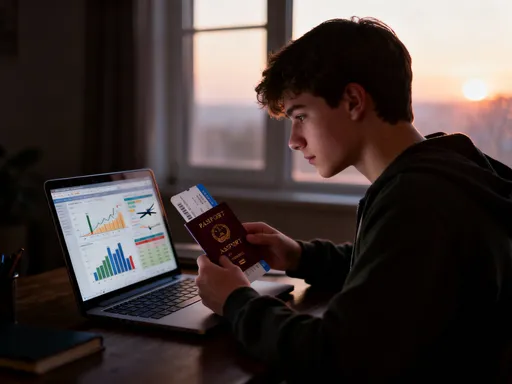
I didn’t start tracking my spending to punish myself. I started because I was curious. What if I just… watched? No rules, no guilt, no instant fixes. Just observation. I downloaded a simple money-tracking app—nothing fancy, nothing that required me to be a math whiz. I linked my accounts, and within minutes, every purchase I made began to appear in one place. At first, it felt strange, almost invasive. There it was: $4.50 for almond milk, $68 at the pharmacy, $120 for dinner with my sister. Everything was visible.
But after a few weeks, something shifted. I wasn’t seeing just transactions. I was seeing stories. That $30 candle purchase in January? It wasn’t random. It was a dark, gray afternoon, the kids were loud, the house felt heavy, and I wanted to create a little peace. That $90 online order in March? Spring was coming, I was craving light and freshness, and I bought new napkins, a vase, and a plant—small things that felt like hope. The data wasn’t judging me. It was reflecting me.
This is where technology, when used gently, becomes more than a tool—it becomes a mirror. It doesn’t tell you what to do. It shows you what you’re already doing. And that awareness is powerful. I began to notice emotional rhythms in my spending. Winter was about comfort. Spring was about renewal. Summer was social. Fall was practical. Once I saw the pattern, I stopped feeling guilty and started feeling curious. Instead of asking, “Why did I spend that?” I began asking, “What did I need in that moment?” That small shift—from shame to understanding—changed everything. And it all started with one simple act: recording what I spent, without judgment.
Winter’s Pull: Comfort, Coziness, and Hidden Costs
Let’s be honest—winter can be hard. The days are short, the light is dim, and the world feels quieter, slower. For me, this time of year is about nesting. I want soft blankets, warm meals, and a home that feels like a hug. But I didn’t realize how much of that desire was showing up in my spending until I started tracking. I saw a steady stream of takeout orders on cold nights. More delivery apps. Extra candles. A new throw blanket here, a scented oil diffuser there. Nothing outrageous, but it added up.
At first, I felt tempted to cut it all out. “No more takeout,” I told myself. “No more little luxuries.” But that didn’t last. Because those small comforts weren’t frivolous—they were functional. They helped me cope. They made dark evenings bearable. So instead of cutting back, I looked for balance. I kept the candles. I kept the cozy vibes. But I swapped two takeout meals a week for homemade soup and bread. I started making my morning coffee at home and saving that $5 daily habit for weekend treats. Small shifts, not big sacrifices.
The tracking app helped me see what I was actually spending and when. I noticed that most of my extra spending happened on weekends, when the kids were home and I felt overwhelmed. So I started planning ahead—prepping meals on Sundays, scheduling movie nights with homemade popcorn. The tech didn’t tell me what to do, but it gave me the clarity to make better choices. I could honor my need for comfort without draining my account. Winter didn’t have to be a financial drain. It could be a season of warmth—on my terms. And that felt like real progress.
Spring Awakening: Renewal, Reset, and Smart Choices
When the light starts stretching into the evenings and the trees show the first hints of green, something inside me shifts. I want to open windows, wash walls, donate old clothes, and refresh everything. Spring isn’t just a season—it’s a mood. And that mood shows up in my spending. I used to walk into home stores and walk out with a new rug, matching towels, and a basket I didn’t need. It felt good in the moment, but later, I’d wonder, “Did I really need that?”
Now, I use my spending history to guide my spring reset. I look back at last year’s purchases and ask: What did I actually use? What brought real joy? What was just impulse? Last spring, I bought three sets of outdoor cushions. By June, one set was faded, and I’d stopped using them. This year, I waited. I checked my budget. I looked at my past data and realized I tend to overspend on outdoor decor. So instead of buying new, I cleaned what I had, added a few throw pillows from last season, and called it good.
Tracking helped me turn impulse into intention. I still refresh my home in spring—I love that feeling of renewal. But now, I do it more mindfully. I replaced my worn kitchen towels, not because I wanted something trendy, but because they were frayed and I needed them. I bought one plant, not five. And I felt just as satisfied. The joy wasn’t in the spending. It was in the act of caring for my home and myself. Technology helped me slow down, reflect, and make choices that aligned with my values. Spring isn’t about buying more. It’s about starting fresh—with clarity, not clutter.
Summer’s Social Rhythm: Travel, Gatherings, and Staying Balanced
Summer is the season of togetherness. Birthday parties, weekend trips, barbecues, ice cream runs, visiting family—it all happens now. And so does the spending. I used to dread this time of year because joy came with a side of anxiety. “How much will this weekend cost?” “Can we really afford that trip?” “Why does everything feel more expensive in July?” I loved the season, but I often ended it feeling drained—not just from heat, but from financial stress.
Then I tried something different. I looked at last summer’s spending data. I totaled up all the weekend outings, gas, dining out, entrance fees, and small gifts. The number wasn’t shocking, but it was real. And it gave me power. Instead of being surprised by summer costs, I could plan for them. I started a “summer fun fund” in January, setting aside just $50 a month. By June, I had $300—enough to cover most of our planned activities without touching our emergency savings or going into debt.
My family got involved, too. We talked about what summer meant to us—what memories we wanted to make. We decided on one bigger trip and a few local adventures. We used the app to track our summer spending in real time, so we could adjust if we were getting close to our limit. One weekend, we saw we were near our dining-out budget, so we had a picnic instead. It was just as fun, maybe more. The tech didn’t take the joy out of summer. It protected it. We laughed more because we weren’t worried about the bill. We relaxed because we knew we were in control. And that made the season even sweeter.
The Long-Term View: Building Financial Calm, One Season at a Time
After a full year of tracking, I did something I’d never done before: I looked at my annual spending as a whole. Not to judge, not to fix, but to understand. And what I saw surprised me. My spending wasn’t random. It had a rhythm—predictable, seasonal, deeply human. Winter was higher in home and comfort spending. Spring showed a bump in home and clothing. Summer peaked in dining and travel. Fall rose with school and maintenance. Once I saw the pattern, I stopped feeling like I was bad with money. I was just living a full life.
So I built a new kind of budget—one that moved with the seasons. Instead of setting one flat amount for dining out all year, I allocated more in summer and less in winter. Instead of expecting to save the same amount every month, I saved more in calmer months to support the busier ones. This flexible, seasonal budget felt alive. It matched my real life, not an idealized version of it. And because it was realistic, I could actually stick to it.
The real win wasn’t in the dollars saved—though yes, I did save money. The real win was in the peace I gained. I stopped dreading the end of the month. I stopped feeling guilty about spending on things that mattered. I started feeling confident—like I knew what was coming and could handle it. That sense of calm is priceless. It’s not about having more money. It’s about having more clarity. And that clarity came from one simple, consistent habit: paying attention.
A Life in Balance: How Small Insights Create Lasting Change
What started as a experiment with an app turned into something much bigger. It changed how I see money, yes—but more than that, it changed how I see myself. I’m more patient now. I pause before I buy, not because I’m afraid, but because I care. I ask, “Does this fit my life?” “Will this bring real value?” “What am I really feeling right now?” Those questions have softened my relationship with money. It’s no longer an enemy or a source of stress. It’s a tool—a quiet partner in creating the life I want.
And it’s improved my relationships, too. I talk more openly with my family about money—not in a scary way, but in a planning, dreaming kind of way. We set goals together. We celebrate small wins. We’ve started a holiday fund, a car repair fund, even a “family experience” fund for surprise adventures. We’re not perfect—we still overspend sometimes, still make mistakes. But now, we learn from them. We adjust. We move forward.
Most of all, I feel more present. I’m not constantly worrying about the past or stressing about the future. I’m here, in this season, making choices that make sense for right now. Technology didn’t fix my finances. It gave me the insight to fix them myself. It showed me the rhythm of my real life—the beautiful, messy, changing seasons of being a woman, a mother, a partner, a person trying to do her best. And in that awareness, I found freedom. Not perfection. Not control. But peace. And if you’ve ever wondered where your money went, I’ll tell you this: it went to living. But now, with a little tracking, a little awareness, you can live with more joy, less stress, and a whole lot more clarity—one season at a time.